 Deutsch
 English
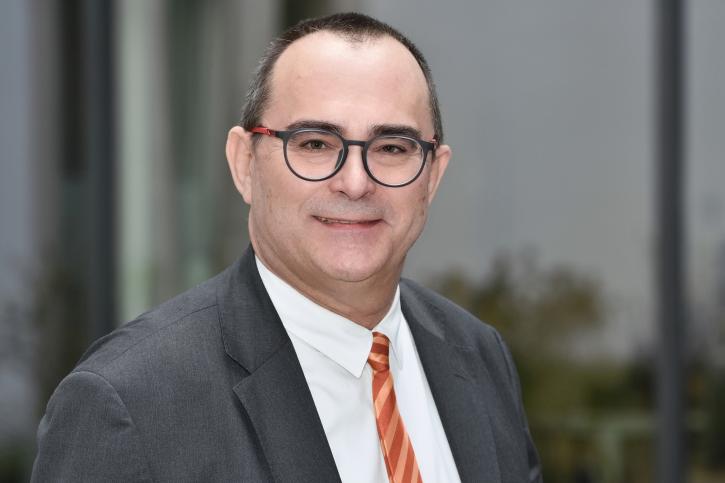
Berlin, 03.06.2026. The German Association of Local Utilities (VKU) welcomes the action program adopted today by the Federal Cabinet to implement the National Circular Economy Strategy (NKWS). The aim of the action program is to use resources more efficiently, avoid waste and strengthen the circular economy in Germany, but the VKU believes it needs to be more binding and implemented at a faster pace.
"Paper is patient, the action program must now be implemented quickly. The German government wants to provide considerable funding to promote the circular economy. We welcome this, but the calls for funding should be published quickly so that the funds can flow out and be used. Waste prevention must be the top priority and municipal projects need more support from the legislator. Extended producer responsibility for textiles must also be introduced promptly, as a purely market-driven circular economy for used textiles no longer works. Binding steps are needed now," explains Uwe Feige, VKU Vice President and Head of Kommunalservice Jena.
The VKU is calling for consistent regulation of resource-intensive waste streams such as packaging, electrical appliances and textiles. Manufacturers must develop durable and repair-friendly products and make a binding contribution to the costs of collection and recycling. Ecomodulation must make progress so that sustainable product design is economically rewarded. In addition, the VKU advocates a manufacturer-financed repair fund to facilitate repairs and extend the service life of products. Such repair funds already exist in many places, but struggle with unclear financing from budget funds. The VKU expressly welcomes the action programme's focus on digitalization and AI projects, as the municipal waste management industry also sees great potential in these technological innovations.
With regard to product safety, the VKU points to the progress made by the amendment to the German Electrical and Electronic Equipment Act (ElektroG), which came into force in 2025, but sees a need for further action. Damaged lithium batteries continue to cause fires in disposal facilities and collection vehicles. To reduce these risks, the VKU is calling for a ban on disposable vapes - the Federal Environment Minister has already announced a law to this effect. Disposable e-cigarettes contain permanently installed lithium batteries, which are often disposed of incorrectly and pose a considerable potential hazard.
The VKU is also involved in the round table "Reducing the fire risk from lithium batteries" in order to develop effective measures together with the waste management industry, manufacturers, the fire department and the insurance sector. The aim is to promote technical safety standards, better consumer information and a manufacturer-financed fire protection fund.
Finally, the VKU welcomes the German government's intention, expressed in the NKWS action program, to take more effective action against illegal waste dumping and to adapt the legal framework for this. The unauthorized dumping and dumping of waste in public spaces is a major nuisance in the municipalities, endangers the environment and eats up more and more resources from municipal budgets.